

The illicit drug supply continues to evolve as novel psychoactive substances (NPS) emerge in response to regulatory efforts. Due to constant change in drugs that are circulating, definitive testing methods are required to assist providers in identification of high-risk drug exposure. Findings from Aegis testing data in 2026 highlight ongoing shifts in substance use patterns and underscore the importance of comprehensive, up-to-date toxicology testing to support informed clinical decision making, patient care, and public health response.
Highlights from 2026
- Changing adulterant patterns remain a major clinical concern. Xylazine remained the most prevalent NPS detected overall, while its number and detection rate decreased from Q1 to Q2. Medetomidine increased in detection rate, represented one-quarter of NPS-Other detections in Q2, and remained the third most prevalent NPS overall.
- Tetramethylfentanyl-related substances were the most frequently identified designer opioids. Following their addition to testing in December 2025, tetramethyl-4-AP and tetramethyl norfentanyl became the most prevalent designer opioid-related substances.
- The synthetic opioid landscape remained complex and high risk. Methylfentanyl-related compounds remained prominent, carfentanil-related findings persisted, cychlorphine represented an emerging overdose threat, and nitazene and N-pyrrolidino nitazene analogs increased in proportional representation from Q1 to Q2.
- Designer benzodiazepine detections continued to diversify. Bromazolam remained the predominant DBZD but declined between quarters, while phenazolam remained relatively stable and ethylbromazolam- and desalkylgidazepam-related detections increased in proportional representation.
- Synthetic cannabinoid detections remained concentrated among a small number of compounds. MDMB-4en-PINACA-, MDMB-INACA-, and 5F-MDMB-PINACA-related detections collectively accounted for approximately 90% of synthetic cannabinoid detections in both quarters.
- The composition of the synthetic stimulant class continued to evolve. Alpha-PiHpP became the most prevalent synthetic stimulant detected shortly after its addition to testing, while N-isopropyl butylone remained prominent and previously predominant N, N-dimethylpentylone-related compounds and eutylone increased in proportional representation from Q1 to Q2.
- Hallucinogen/dissociative detections remained limited. Only the ketamine-related compounds 2F-deschloronorketamine and 2F-2-oxo-PCE were detected during the first half of 2026; interpretation should account for the comparatively low ordering rate for this NPS class.
Recommendations for Healthcare Providers
- Use comprehensive definitive testing when NPS exposure is suspected. Many emerging substances are notdetected by routine immunoassay, point-of-care testing, or traditional drug-testing panels.
- Definitive, mass-spectrometry-based testing that is routinely updated is necessary for accurate identification of NPS exposure in clinical settings as static panels may lose clinical relevance.
- Stay informed about emerging drug trends to best understand potential risks to your populations and improvepatient safety and clinical outcomes.
2026 Mid-Year Update on Novel Psychoactive Substance (NPS) Trends
Novel Psychoactive Substances (NPS) are a diverse group of synthetic drugs designed to mimic the effects of illicit or prescription drugs while evading existing drug control laws.1 Growing public health concerns have prompted legislative and regulatory actions targeting specific compounds, chemical structures or classes of NPS.2 Despite ongoing regulatory efforts, new compounds and modified analogs continue to emerge, with a record 688 unique NPS, including 101 newly identified substances, reported to the UNODC Early Warning Advisory in 20243,4 This rapid and continual evolution of NPS presents significant challenges for public health, clinical care, forensic laboratories, and regulatory agencies.
The purpose of this update is to review trends observed in NPS detection at Aegis during Q1 and Q2 of 2026 and highlight compounds of emerging clinical significance. Healthcare professionals should be aware of emerging drugs and new trends in drug use as they can inform individual patient care decisions as well as public health and safety response.
NPS-Other
The NPS-Other category includes drugs that do not easily fit within other designated NPS classifications. Some are veterinary medications, and others have been identified as adulterants in the illicit drug supply. Figure 1 shows the proportion of compounds detected in the NPS-Other class in Q1 and Q2 of 2026. Drugs in the NPS-Other class continued to account for a substantial proportion of NPS detections during the first half of 2026. Xylazine remained the most frequently detected NPS at Aegis regardless of NPS class and was also the predominant compound within the NPS-Other class. Together with its metabolite 4-hydroxyxylazine, xylazine accounted for approximately 60% of detections in the NPS-Other class in both Q1 and Q2. Although xylazine remained the predominant compound detected in the NPS-Other class, the number and rate of xylazine detections at Aegis decreased from Q1 to Q2, yet its relative proportion of detections within the class remained consistent due to a similar decline across the broader NPS-Other category.
Drug supply surveillance data have also demonstrated shifts in adulterant patterns within the illicit drug supply. The Center for Forensic Science Research and Education (CFSRE) reported that the proportion of fentanyl samples containing xylazine decreased from 97% in Q1 of 2024 to 19% in Q1 of 2026. Conversely, they observed an increase in the co-occurrence of medetomidine in fentanyl samples from 0% in Q1 of 2024 to 84% in Q1 of 2026.5 By May of 2024, CFSRE issued a public alert that medetomidine was rapidly proliferating across the U.S.6 In April of 2026, the Centers for Disease Control and Prevention (CDC), in conjunction with the White House Office of National Drug Control Policy (ONDCP) issued a Health Advisory regarding the increasing detection of medetomidine in the illicit drug supply and the associated risk of overdose and severe withdrawal (similar to clonidine) requiring emergency care.7
Medetomidine and its metabolite 3-OH-medetomidine were the only compounds in the NPS-Other class that increased in detection rate from Q1 to Q2, together representing 25% of all detections in the NPS-Other class in Q2. Medetomidine continued to represent a significant proportion of overall NPS detections in the first half of 2026 and was the second most frequently detected drug within the NPS-Other class. Together, xylazine and medetomidine represented the majority of NPS-Other detections in the first half of 2026, supporting continued surveillance of drugs in the NPS-Other class. The emergence of alpha-2 adrenergic receptor agonists such as xylazine and medetomidine as adulterants in the illicit drug supply creates important clinical concerns particularly because neither xylazine nor medetomidine responds to naloxone administration. Both produce profound sedation, CNS depression, bradycardia, hypotension, and respiratory depression. When combined with fentanyl or other opioids, the risk of overdose may increase. Medetomidine may be even more concerning than xylazine because it is substantially more potent and longer acting. Yet both are challenges for toxicology testing in that they are typically not included in routine toxicology testing panels.
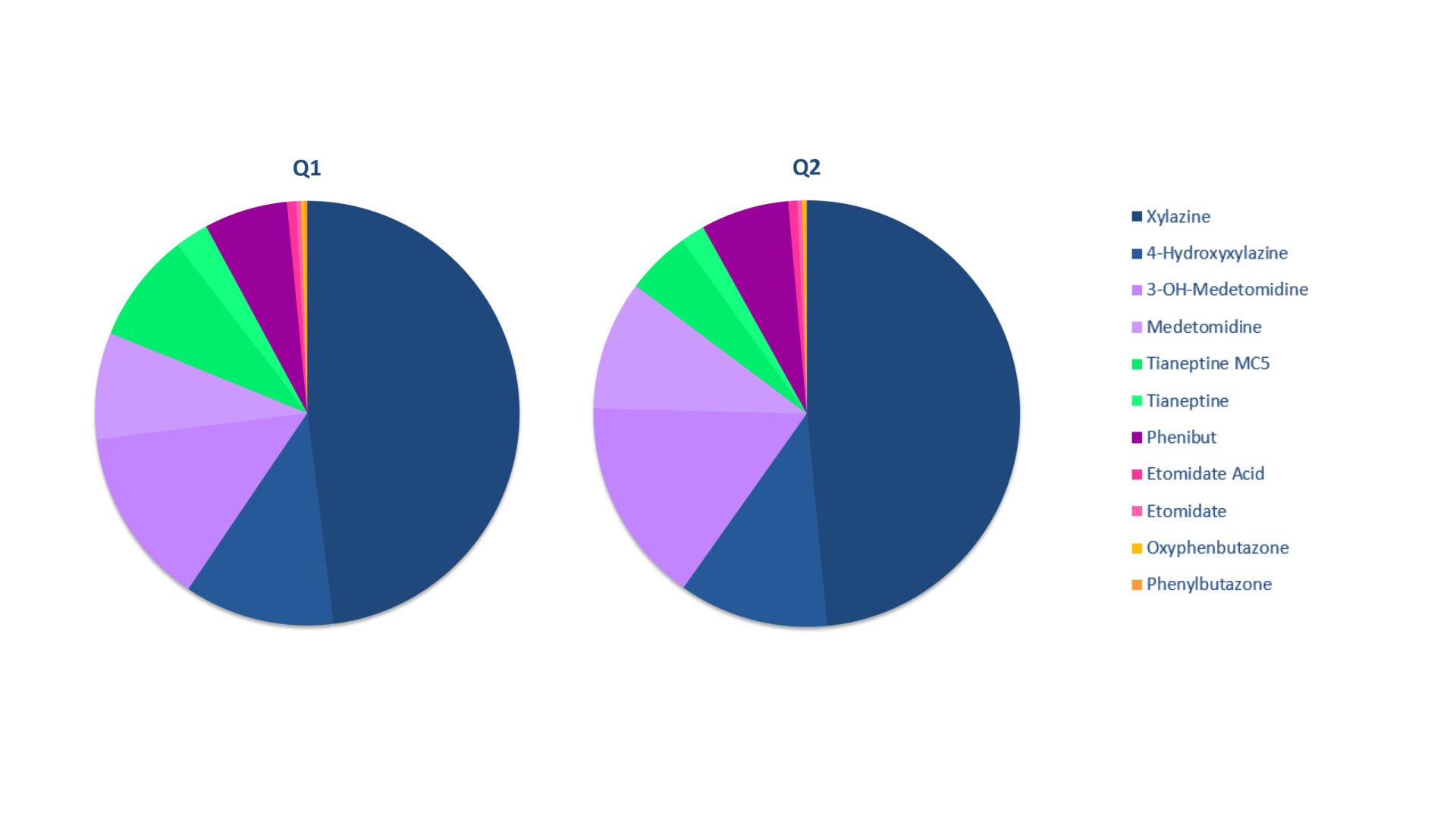
Figure 1. Proportion of compounds detected in the NPS-Other class in Q1 and Q2 of 2026
Tianeptine and its major metabolite, MC5, were the third most prevalent compounds detected in the NPS-Other class, but their combined proportion declined from 11% of detections in Q1 to almost 7% in Q2. Tianeptine, also called “gas station heroin”, is structurally classified as an atypical tricyclic antidepressant but at high doses it has mu opioid receptor activity. Thus, misuse can result in opioid-like highs, and users can develop tolerance and dependence. The FDA reported that tianeptine products have been linked to serious adverse events including overdose and death.8,9 The proportion of detections for all other compounds in the class remained similar between Q1 and Q2.
Designer Opioids
Designer opioids are a class of NPS comprised of multiple subclasses of novel synthetic opioids including fentanyl analogs, “nitazene analogs,” and others, such as the newly emerging subclass known as “orphine” analogs. Designer opioids continue to represent one of the most clinically important NPS classes due to their potency and association with overdose risk. Figure 2 shows the proportion of compounds detected in the designer opioid class in Q1 and Q2 of 2026. Compounds that did not have at least 10 detections in each quarter were combined and represented as “Other”.
Among compounds detected within the designer opioid class, fentanyl analogs remained the predominant subclass during the first half of 2026. Fluoro fentanyl and its related compounds despropionyl fluorofentanyl and fluoro norfentanyl, together have been the most prevalent compounds detected in the designer opioid class for several years. Although recently, a decrease in the prevalence of fluoro fentanyl and related compounds has been observed indicating a shift away from fluoro fentanyl. In the first half of 2026, they were replaced as most prevalent by tetramethylfentanyl (TMF)-related substances, tetramethyl-4AP and tetramethyl norfentanyl, following their addition to Aegis’ designer opioid testing in December of 2025. Despite dropping to second most prevalent, the proportion of fluoro fentanyl-related compounds detected in Q1 and Q2 remained similar at 23-24% of designer opioid detections, which is approximately half of the proportion they represented in Q4 of 2025. Yet the number and rate (per 10,000 tests) of detections of fluoro fentanyl-related compounds increased slightly from Q1 to Q2. In contrast, the proportion of tetramethyl-4AP and tetramethyl norfentanyl decreased from 42% in Q1 to 34% in Q2. Among individual analytes, tetramethyl-4-AP was the single most frequently detected designer opioid, although detections decreased from 1,035 in Q1 to 855 in Q2. Despite the decrease from Q1 to Q2, tetramethyl-4AP and tetramethyl norfentanyl together remained the most commonly detected compounds in the designer opioid class.
Several compounds classified as fentanyl analogs increased in proportion of detections from Q1 to Q2 of 2026. After fluoro fentanyl related compounds, methylfentanyl related compounds were the next most prevalent designer opioids detected in the first half of 2026. CFSRE issued a public alert in December of 2024, indicating ortho (o)-methylfentanyl was emergent and had been identified in fatal overdoses, and was proliferating across North America.10 Our data supported this as o-methylfentanyl and despropionyl o-methylfentanyl (MF) together were the second most frequently detected designer opioids in 2025. In 2026, o-MF and despropionyl o-MF increased in detections from 419 in Q1 to 471 in Q2 as well as in proportion from 12 to 14% of designer opioids detected. Despropionyl m/p-methylfentanyl (MF) also increased in detections from 293 in Q1 to 326 in Q2 and in proportion, representing almost 10% of detections in Q2. These data suggest continued circulation of methylfentanyl analogs within portions of the illicit drug supply.
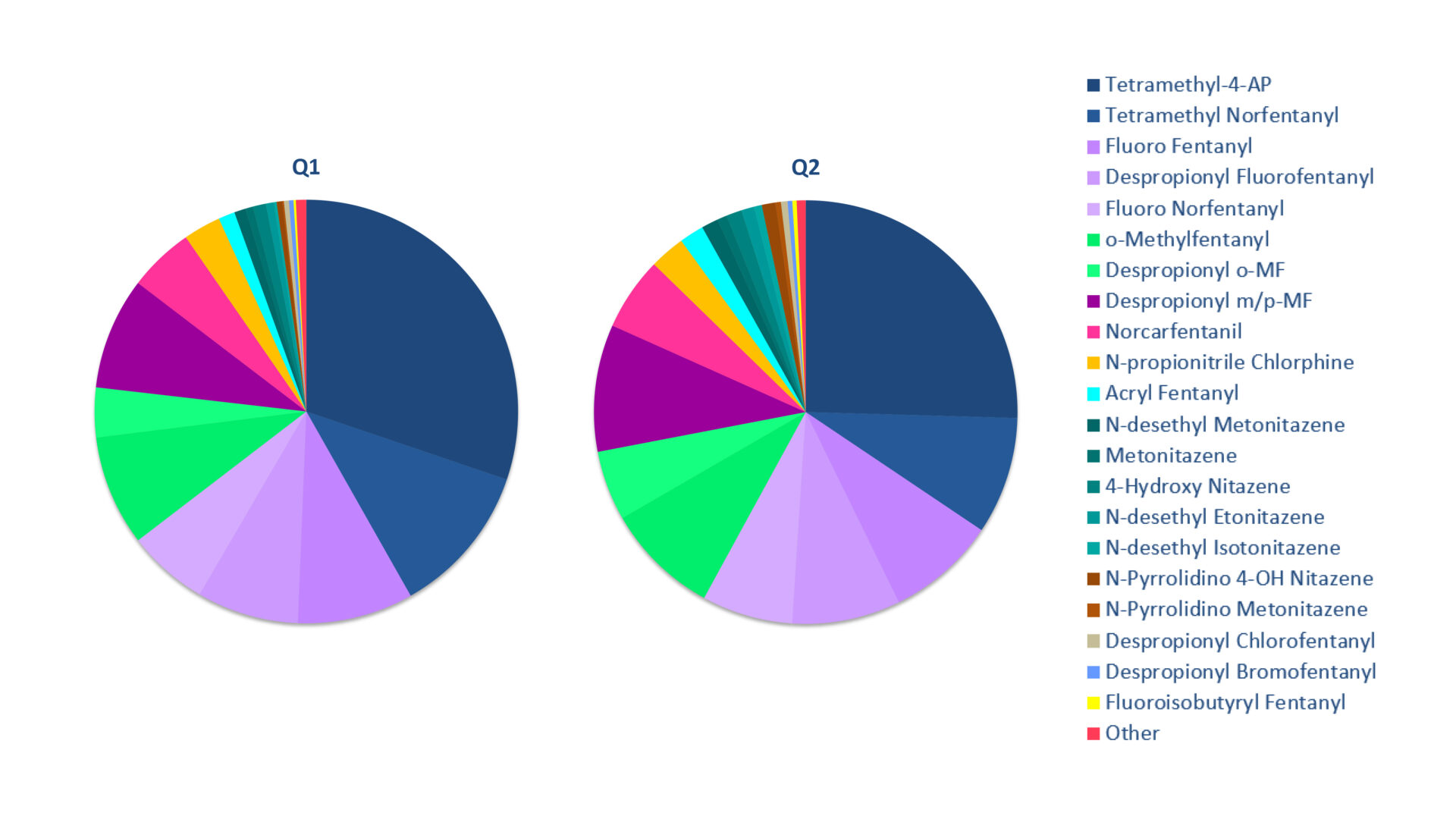
Figure 2. Proportion of compounds detected in the Designer Opioids class in Q1 and Q2 of 2026.
The next most prevalent designer opioid detected during the first half of 2026 was norcarfentanil, a metabolite of both carfentanil and remifentanil. Carfentanil is a veterinary sedative used for large animals and is not approved for human use. It is estimated to be approximately 100 times more potent than fentanyl and has become increasingly prevalent in the illicit drug supply.11 Carfentanil has reemerged in the United States illicit drug supply and has been associated with both fatal and nonfatal overdoses. CDC reported that overdose deaths with carfentanil detected increased approximately sevenfold, from 29 during January through June 2023 to 238 during January through June 2024, with detections reported in 37 states.12 A 2026 health alert further highlighted the detection of carfentanil in counterfeit tablets and powders, including counterfeit “M30” tablets in which carfentanil was the only opioid identified, emphasizing the continued public health threat posed by this ultra-potent opioid.13 Importantly, because norcarfentanil is a metabolite of both carfentanil and remifentanil, detection of norcarfentanil in urine or oral fluid should be interpreted in the context of medication, procedural, and clinical history. In Aegis 2026 data, norcarfentanil detections and detection rate per 10,000 tests increased slightly from Q1 to Q2, although its proportional representation within the designer opioid class remained relatively stable at approximately 5%.
N-propionitrile chlorphine, also known as cychlorphine, belongs to an emerging class of designer opioids referred to as “orphine” analogs. It was first identified by CFSRE in mid-2024 and added to Aegis testing in June 2025. Following implementation, cychlorphine increased from <1% of designer opioid detections in Q3 to approximately 3% in Q4. During the first half of 2026, the detection rate per 10,000 tests remained similar between Q1 and Q2, and the proportion of designer opioid detections attributable to cychlorphine remained approximately 3%. Detection of cychlorphine outside of Aegis also increased substantially during late 2025 and early 2026.14 In vitro pharmacology data suggest that cychlorphine may be approximately ten times more potent than fentanyl, raising concerns regarding overdose risk.14 CFSRE reported detection of cychlorphine in 25 fatal overdose cases, including 11 cases in which it was the sole opioid identified.14 More recently, an April 2026 Office of National Drug Control Policy (ONDCP) Drug Threat Notice reported that cychlorphine has been detected in all four U.S. Census regions, identified in 106 National Forensic Laboratory Information System (NFLIS) drug reports during 2025, and linked to at least 55 deaths nationally, including 41 deaths in Tennessee between July 2025 and February 2026.15 The notice further reported that cychlorphine may be encountered alone or in combination with fentanyl, methamphetamine, bromazolam, cocaine, and other substances.¹⁵ Despite increasing detection of cychlorphine in the illicit drug supply and overdose investigations, it is not detected by routine opioid screening assays, fentanyl test strips, or most point-of-care testing methods, requiring specialized definitive testing that is currently available in relatively few laboratories.15
In addition to the emergence of orphine analogs, an increase in proportional representation of compounds in the nitazene subclass during the first half of 2026 was notable. Although nitazene and N-pyrrolidino nitazene analogs declined in proportional representation during 2025, increased detection of both analog types was observed during the first half of 2026. Specifically, nitazene analogs increased from 3.3% of detections in Q1 to 4.8% in Q2, whereas N-pyrrolidino nitazene analog detections remained less prevalent, increasing from 0.5% in Q1 to 1.5% in Q2. Metonitazene-related detections (e.g., metonitazene and N-desethyl metonitazene) were the most prevalent within the nitazene subclass, representing 1.5% of designer opioid detections in Q1 and increasing to 2% in Q2. Recent surveillance has documented continued emergence and diversification of nitazene analogs in the illicit drug supply.16 Pharmacologic studies have demonstrated substantial variability in potency among individual nitazene analogs, with some having greater potency than fentanyl, potentially increasing overdose risk.17,18 Additionally, although sometimes detected alone, nitazene analogs have also been detected in combination with fentanyl, stimulants (e.g., methamphetamine, cocaine), and designer benzodiazepines, particularly bromazolam, further increasing overdose risk.16 Given their variability in potency and frequent co-occurrence with other drugs, nitazenes have been associated with fatal and nonfatal overdoses and remain an evolving public health concern.17 Collectively, these findings underscore the importance of continued surveillance and definitive testing to detect newly emerging nitazene analogs and other synthetic opioids.
Designer Benzodiazepines
Designer benzodiazepines (DBZD) are compounds with similar chemical structure and clinical effects to those of traditional benzodiazepines. The designer benzodiazepine class includes novel benzodiazepines that are not approved for medical use in any country as well as some benzodiazepines (e.g. etizolam) that are approved for therapeutic use in other countries. However, because these compounds are not approved for medical use in the United States and have increasingly been identified in the illicit drug supply, they are generally classified as designer benzodiazepines. The prevalence of DBZD in the illicit drug supply has increased substantially over the past decade, with these compounds frequently being identified in some cases alongside other illicit substances, in counterfeit prescription medications, including fake “Xanax” tablets and other counterfeit alprazolam products.19 Figure 3 shows the proportion of designer benzodiazepines detected at Aegis in Q1 and Q2 of 2026. Compounds that did not have at least 10 detections in each quarter were combined and represented as “Other”.
Bromazolam and its metabolite alpha-hydroxybromazolam became the most prevalent DBZD detected at Aegis in 2023 following regulatory efforts that placed several other designer benzodiazepines under regulatory control while bromazolam remained unscheduled.20 Throughout 2024 and 2025, several states implemented scheduling of bromazolam, and by December 2025, Bromazolam was placed under regulatory control at the federal level.21 Bromazolam has remained the most prevalent DBZD detected in recent years. In 2025, bromazolam-related detections accounted for 68% of annual DBZD detections at Aegis but the proportional representation of bromazolam-related detections in Q4 had declined to 55%. In the first half of 2026, bromazolam-related detections continued to dominate the DBZD class but decreased from 55% in Q1 to almost 50% in Q2.
As bromazolam-related detections have gradually declined, increasing attention has shifted toward phenazolam (also referred to as “clobromazolam”), a chlorinated analog of bromazolam that remains unregulated at the federal level as of August 2026. Phenazolam and its metabolite alpha-hydroxyphenazolam together represented the second most prevalent DBZD detected at Aegis during the first half of 2026. Although phenazolam-related detections decreased slightly from Q1 to Q2, the detection rate (per 10,000 tests) and proportional representation within the DBZD class remained similar between quarters. Aegis released an emerging threat report for phenazolam noting that for samples received in Q3 of 2025, in certain states including Kentucky, New Jersey, Ohio, Oregon, and Tennessee, phenazolam was detected more frequently than other DBZD.22 Consistent with these findings, CFSRE issued a public alert in December of 2025 indicating the emergence of phenazolam and its increasing prevalence in recreational drug markets.23 Phenazolam has been detected in drug materials alongside a wide variety of drugs including fentanyl, heroin, high potency designer opioids such as para-Fluorofentanyl, ortho-methylfentanyl, N-Propionitrile Chlorphine, nitazene and N-pyrrolidino nitazene analogs, as well as xylazine, medetomidine, ketamine and cocaine.23 The increasing detection of phenazolam in drug materials and biological specimens, particularly alongside opioids and other central nervous system depressants, raises concerns regarding toxicity and overdose risk.
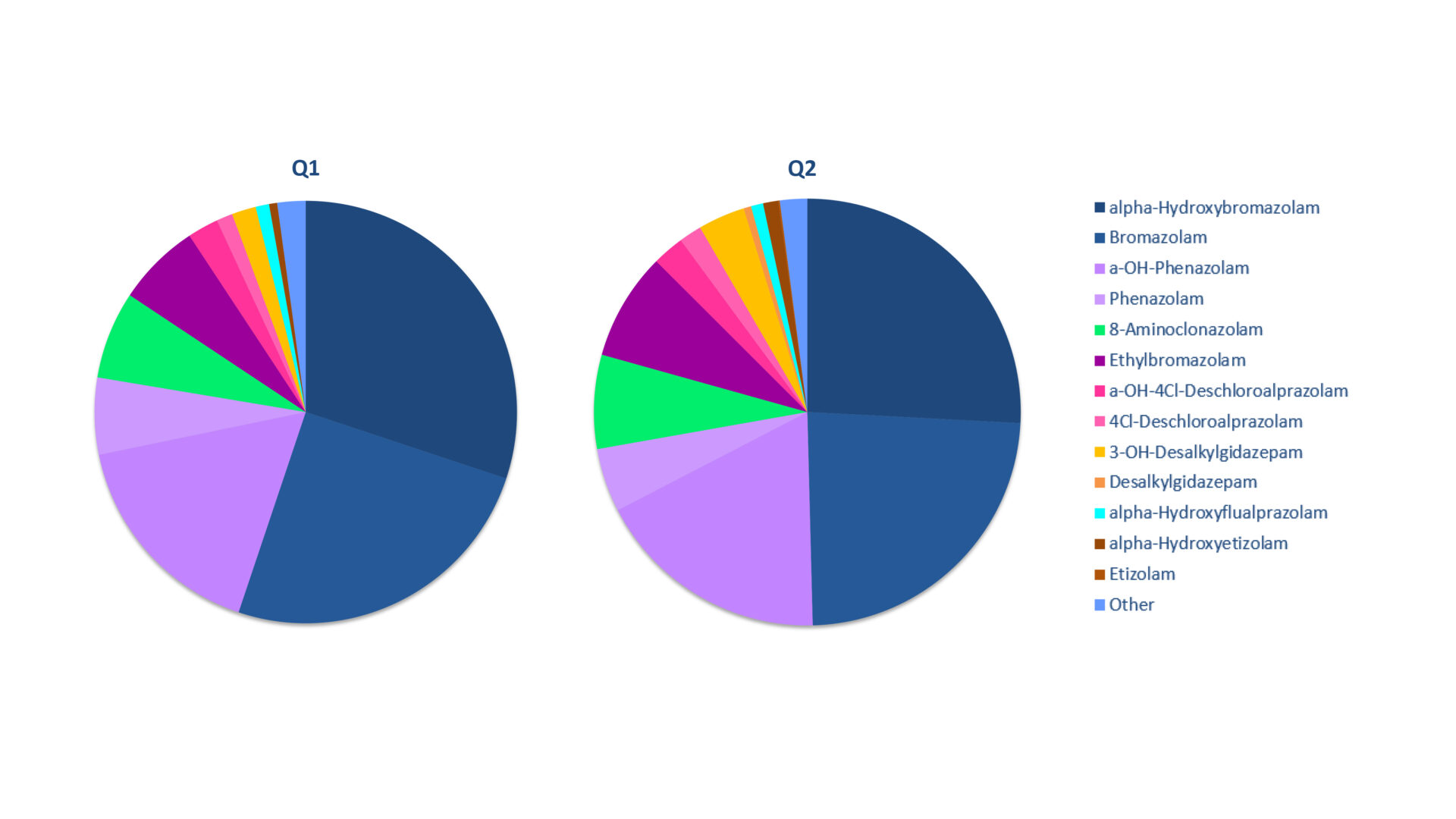
Figure 3. Proportion of compounds detected in the Designer Benzodiazepines class in Q1 and Q2, 2026
Although bromazolam and phenazolam remained the predominant DBZD detected during the first half of 2026, accounting for more than 70% of DBZD detections, bromazolam-related detections declined while phenazolam-related detections remained relatively stable between quarters. Similarly, 8-Aminoclonazolam represented approximately 7% of DBZD detections throughout the first half of 2026, with minor differences in absolute detections, detection rate, and proportional representation. These findings demonstrate persistent circulation of clonazolam-related substances despite regulatory efforts targeting multiple DBZD. Several less prevalent DBZD, including ethylbromazolam and desalkylgidazepam (together with its metabolite 3-hydroxy-desalkylgidazepam), increased in proportional representation from Q1 to Q2 of 2026, suggesting continued diversification within the DBZD class. Ethylbromazolam is an emerging DBZD structurally related to bromazolam. It was first identified by CFSRE in July of 2025 and added to Aegis DBZD testing in December 2025. In Q1 2026, ethylbromazolam represented just over 6% of DBZD detections and increased in detections, detection rate (per 10,000 tests), and proportional representation, accounting for approximately 8% of DBZD detections in Q2. Recent reports have documented detection of ethylbromazolam in toxicology specimens and drug materials, across multiple countries.24 Continued detections of ethylbromazolam in both toxicology specimens and drug materials during 2025 and 2026 suggest ongoing circulation within portions of the illicit drug supply.25,26 An even larger increase in proportional representation was observed for desalkylgidazepam-related detections. In Q1, desalkylgidazepam and its metabolite 3-hydroxy-desalkylgidazepam represented just under 2% of DBZD detections, increasing to just over 4% in Q2. Although desalkylgidazepam (also known as bromonordiazepam) is a metabolite of gidazepam, it has also been identified as a drug in the illicit drug supply. Desalkylgidazepam has been identified in postmortem toxicology investigations in both the U.S. and Canada, including fatal polydrug intoxication cases involving fentanyl and other designer benzodiazepines.27,28
Designer Cannabinoids
Synthetic cannabinoids commonly referred to as “K2” or “Spice,” were among the first NPS to appear in the U.S. in the late 2000s. These substances are typically sprayed onto or mixed with plant material and marketed as “legal highs” or herbal incense products, often labeled “not for human consumption.” Synthetic cannabinoids are compounds designed to selectively bind to cannabinoid receptors. Some were originally developed as potential therapeutic agents, whereas others were synthesized for illicit use to mimic the effects of delta 9 tetrahydrocannabinol (THC), the primary psychoactive component of Cannabis sativa. However, unlike THC, synthetic cannabinoids are often full agonists at cannabinoid receptors, making them significantly more potent than THC. Reported adverse effects associated with use of synthetic cannabinoids include agitation, psychosis, seizures, cardiovascular complications, acute kidney injury, and respiratory failure. Synthetic cannabinoids pose significant public health concerns due to their high potency and unpredictable toxicity. Consequently, they have been the target of extensive legislative and regulatory control efforts both nationally and internationally. Recently, China implemented a class wide ban on synthetic cannabinoid receptor agonists (SCRAs), covering seven common SCRA generic structures. In response to these regulatory efforts, multiple structural modifications to SCRAs have emerged, increasing structural diversity within the synthetic cannabinoid class.29 Although numerous structural variants have emerged following regulatory controls, the majority of synthetic cannabinoid detections at Aegis are limited to a small number of highly prevalent compounds.
Figure 4 shows the proportion of compounds detected in the Synthetic Cannabinoids class in Q1 and Q2 of 2026. MDMB-4en-PINACA-, MDMB-INACA-, and 5F-MDMB-PINACA-related detections collectively accounted for approximately 90% of synthetic cannabinoid detections in both quarters. MDMB 4en PINACA has been the most prevalent synthetic cannabinoid detected at Aegis since 2022. Throughout the first half of 2026 MDMB-4en-PINACA detections remained relatively steady, representing ~43-44% of all synthetic cannabinoid detections, which was similar to the percentage of synthetic cannabinoid detections annually in 2025. The proportional representation of MDMB-INACA-related compounds and 5F-MDMB-PINACA-related compounds was similar in Q2 2026, at ~23-24%. However, 5F-MDMB-PINACA-related detections increased from approximately 20% of synthetic cannabinoid detections in Q1 to more than 23% in Q2, whereas MDMB-INACA-related detections decreased from nearly 27% to approximately 24%.
In March 2026, CFSRE issued a public alert regarding increasing detections of synthetic cannabinoids in correctional facilities and their involvement in adverse events and fatal intoxications among incarcerated individuals. The alert highlighted MDMB-4en-PINACA and 5F-MDMB-PINACA (5F-ADB) as two of the most prevalent synthetic cannabinoids encountered despite prior scheduling actions, also noting that MDMB-4en-PINACA and 5F-ADB (5F-MDMB-PINACA) can be synthesized from the common precursor MDMB-INACA, which appeared after China’s regulatory control efforts.30 Notably, these same compounds collectively accounted for approximately 90% of synthetic cannabinoid detections at Aegis during the first half of 2026.
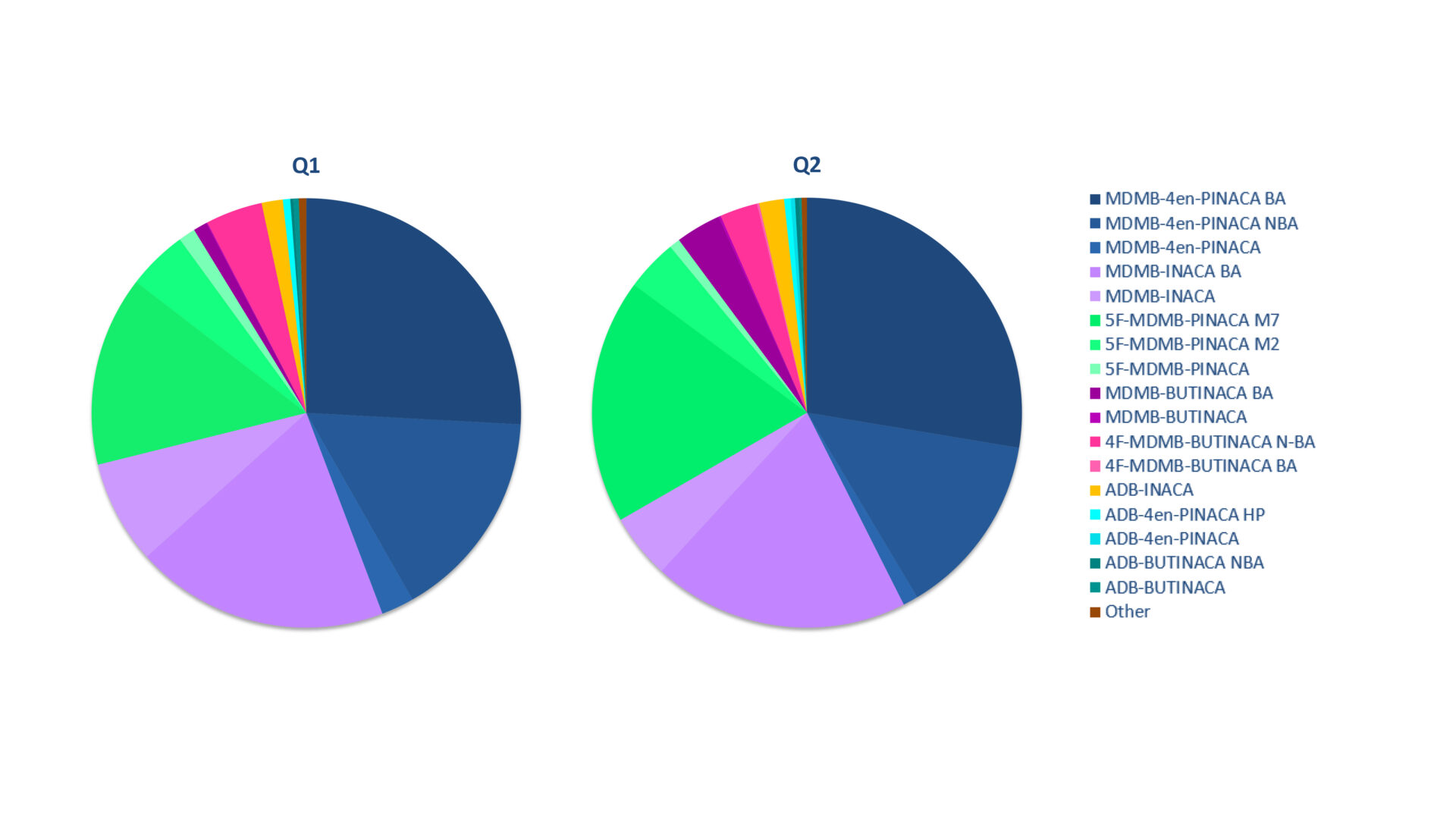
Figure 4. Proportion of compounds detected in the Synthetic Cannabinoids class in Q1 and Q2 of 2026
Although the synthetic cannabinoid landscape remained dominated by a limited number of highly prevalent synthetic cannabinoids, two less prevalent synthetic cannabinoids demonstrated notable shifts during the first half of 2026. MDMB-BUTINACA-related detections increased from Q1 to Q2, with proportional representation increasing from approximately 1% in Q1 to nearly 4% of synthetic cannabinoid detections in Q2. In contrast, 4F-MDMB-BUTINACA related compounds decreased from approximately 4% in Q1 to 3% in Q2. Overall, the synthetic cannabinoid market appeared relatively stable compared with other NPS classes, with most detections concentrated among a limited number of highly prevalent compounds.
Synthetic Stimulants
Multiple subclasses of synthetic stimulants have emerged in the illicit drug supply, but synthetic cathinones (also known as “bath salts”) continue to be the most prevalent. Their pharmacologic effects resemble those of methamphetamine, cocaine, and MDMA, and they are frequently sold as MDMA or “Molly.” Reported adverse effects include hallucinations, agitation, excited delirium, paranoia, panic attacks, tachycardia, hypertension, severe psychosis, hyperthermia, suicidal ideation or behaviors, coma, and death. Although traditional toxicology testing for synthetic cathinones is widely available, maintaining clinical relevance requires awareness of which compounds are currently circulating in the illicit drug supply. Testing panels that are not routinely updated may target compounds that are no longer prevalent in the illicit drug supply, limiting their clinical utility. These data highlight the importance of ongoing surveillance and routine updates to testing panels.
Figure 5 shows the proportion of compounds detected in the Synthetic Stimulants class in Q1 and Q2 of 2026. Although the composition of the synthetic stimulant class continues to evolve, periods in which one or two synthetic stimulants predominate have been observed. From 2020 through 2021, eutylone was the predominant synthetic stimulant detected at Aegis, before declining as N, N-dimethylpentylone and its metabolite pentylone became the most prevalent synthetic stimulants detected at Aegis in 2022. N, N-dimethylpentylone-related detections remained predominant through 2024, yet detections decreased throughout the year. Although N, N-dimethylpentylone was considered controlled as a Schedule I positional isomer of N-ethylpentylone (controlled August 31, 2018), it was not specifically named as controlled until August of 2025.31 Detections continued to decline throughout 2025, representing approximately 50% of synthetic stimulant detections in Q1 2025 and decreasing to approximately 11% in Q4. During the same period, N-isopropyl butylone, which was first identified by CFSRE in August 2024 and added to Aegis Synthetic Stimulant testing in December 2024, emerged as the most prevalent synthetic stimulant detected annually in 2025. Our data support a recent public alert by CFSRE suggesting that increasing N-isopropyl butylone detections may represent replacement of N, N-dimethylpentylone in the illicit drug market following international and U.S. control actions targeting N, N-dimethylpentylone.32 This alert indicated increasing detections of N-isopropyl butylone in more than 40 forensic specimens, including 21 specimens from fatal and non-fatal overdoses. More than half of the cases were poly-drug intoxications with specimens testing positive for other drugs including fentanyl, cocaine and methamphetamine as well as other NPS including stimulants N, N-dimethylpentylone and alpha-PiHpP (also known as iso-PV8), as well as bromazolam, and 2F-2oxo-PCE.32
Interestingly, the predominance of N-isopropyl butylone may be shorter-lived than that of some previously predominant synthetic stimulants, as Alpha-PiHpP rapidly became the most prevalent synthetic stimulant detected during the first half of 2026 following its addition to Aegis testing in December 2025. Alpha-PiHpP represented 42% of synthetic stimulant detections in Q1 2026 and 33% in Q2. Despite the decrease in proportional representation from Q1 to Q2, the actual number of Alpha-PiHpP detections and the detection rate (per 10,000 tests) were similar between quarters. The rapid rise of Alpha-PiHpP following its addition to testing highlights the importance of routinely updating synthetic stimulant testing panels.
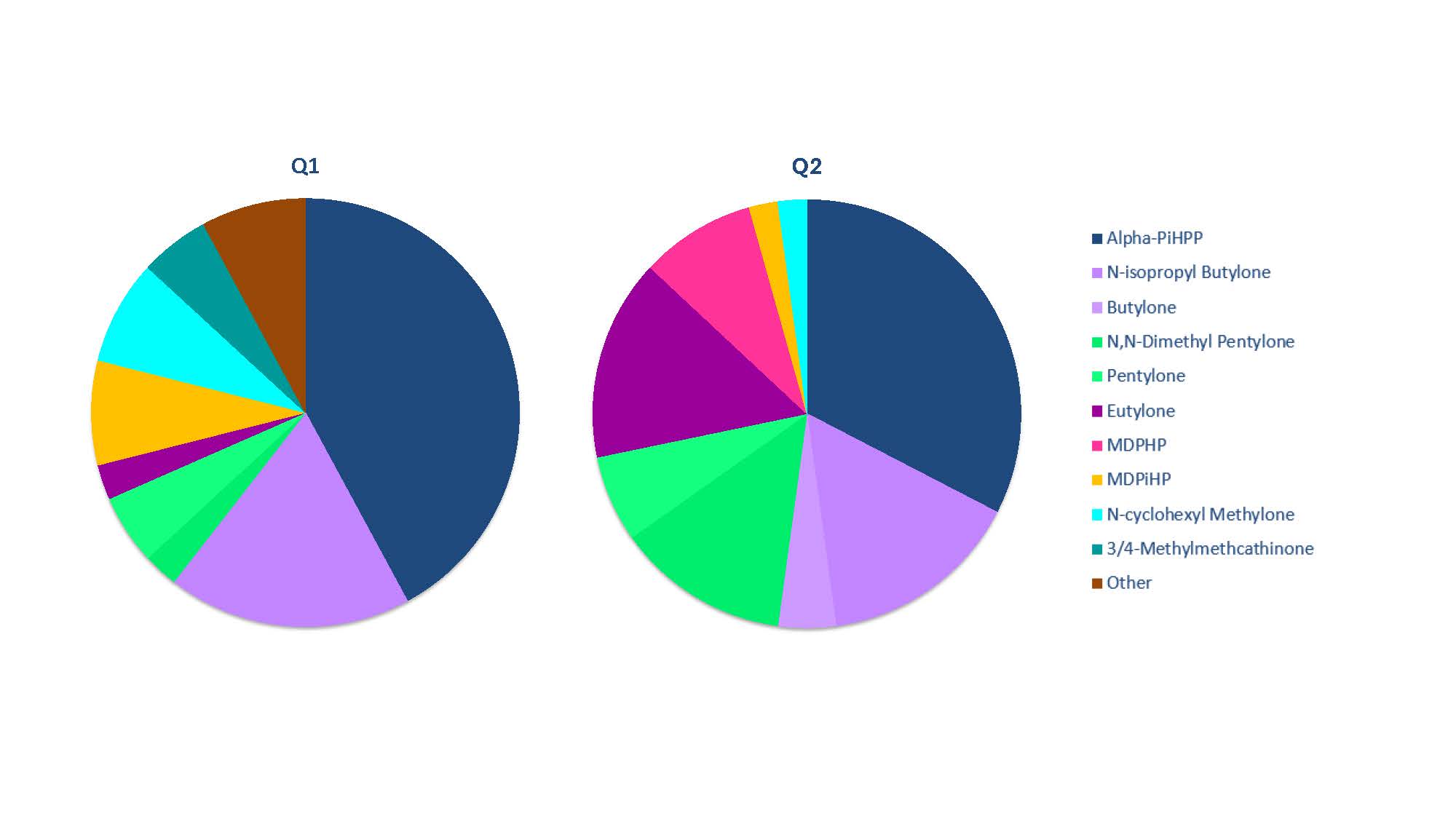
Figure 5. Proportion of compounds detected in the Synthetic Stimulants class in Q1 and Q2 of 2026
Only a small number of synthetic stimulants increased in proportional representation from Q1 to Q2, including N, N-dimethylpentylone-related compounds and eutylone. N, N-dimethylpentylone-related detections increased from approximately 8% of synthetic stimulant detections in Q1 to approximately 20% in Q2, whereas eutylone increased from approximately 3% to 15%. Although neither compound approached the prevalence observed during prior years of predominance, these findings demonstrate that previously predominant synthetic stimulants continue to contribute meaningfully to the synthetic stimulant recreational drug market.
Overall, notable shifts in the relative prevalence of individual synthetic stimulants occurred in the first half of 2026. Alpha-PiHpP became the most prevalent synthetic stimulant detected during the first half of 2026, while N-isopropyl butylone remained prominent and N, N-dimethylpentylone-related compounds and eutylone accounted for increasing proportions of detections from Q1 to Q2. The composition of the synthetic stimulant class continues to evolve, and recent shifts in predominance among individual compounds highlight the importance of regularly updating NPS testing panels to maintain clinical relevance.
Hallucinogens and Dissociatives
The Hallucinogens/Dissociatives class comprises compounds designed to mimic drugs such as lysergic acid diethylamide (LSD), phencyclidine (PCP), and ketamine, acting primarily at serotonin (5-HT2A) and/or N-methyl-D-aspartate (NMDA) receptors to produce hallucinogenic or anesthetic and dissociative effects.
Few hallucinogen/dissociative compounds were detected during the first half of 2026. Similar to previous years, detections were primarily attributable to ketamine-related analogs, specifically 2F-deschloronorketamine and 2F-2-oxo-PCE. 2F-deschloronorketamine, a metabolite of the ketamine analog 2F-deschloroketamine, has been the most prevalent hallucinogen/dissociative detected at Aegis since 2022 and remained so through the first half of 2026, accounting for approximately 63% of detections in Q1 and ~67% in Q2. The DEA recently announced its intent to temporarily place 2F-deschloroketamine into Schedule I of the Controlled Substances Act, citing concerns that it poses an imminent hazard to public safety.33
2F-2-oxo-PCE was the next most prevalent hallucinogen/dissociative detected during the first half of 2026. In a 2024 public alert, CFSRE reported identification of 2F-2-oxo-PCE in more than 20 drug materials and 35 toxicology specimens across North America, including several postmortem cases, highlighting the public health significance of this ketamine-related dissociative.34 2F-2-oxo-PCE is not currently scheduled at the federal level; however, some states have classified it as a controlled substance.
Overall, hallucinogen/dissociative detections in the first half of 2026 remained limited to ketamine-related analogs, with 2F-deschloronorketamine being the predominant hallucinogen/dissociative detected. Detections for both compounds decreased from Q1 to Q2, and total detections within this class remained minimal. No additional hallucinogens/dissociatives were detected during the first half of 2026. It should be noted that test ordering rates impact detection, and Hallucinogens/Dissociatives are the least frequently ordered NPS class, typically 30-40% of samples with any NPS ordered.
All NPS
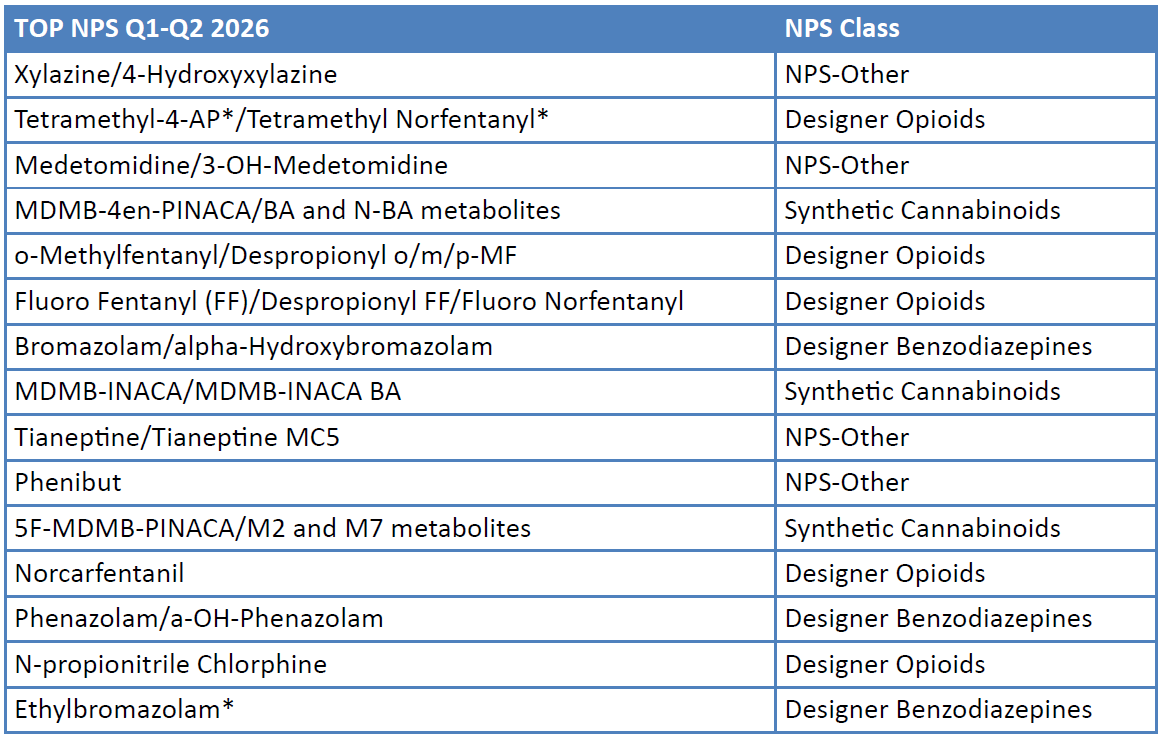
The Top NPS detected at Aegis during the first half of 2026 are shown in Table 1. The overall NPS rankings continued to be dominated by designer opioids and NPS-Other compounds. During the first half of 2026, xylazine remained the most prevalent NPS irrespective of class. However, fluoro fentanyl-related compounds lost the second-place position they had maintained since 2023, while newly added tetramethylfentanyl-related compounds ranked second overall. Medetomidine, which rose in the rankings during 2025, remained firmly in third place.
Additional shifts occurred among the remaining top-ranked compounds. Bromazolam, which was the third most prevalent NPS detected during the first half of 2025 and fourth overall annually, declined further to seventh place during the first half of 2026. Following the decline in bromazolam ranking, MDMB-4en-PINACA-related compounds occupied the fourth position among the most prevalent NPS detected, while methylfentanyl-related compounds surpassed the dropping fluoro fentanyl-related compounds in rank. Although norcarfentanil increased by three positions during 2025, it returned to its previous ranking during the first half of 2026. Phenazolam, which entered the annual rankings in the final position during 2025, gained two positions during the first half of 2026.
Table 1. Top NPS Detected at Aegis Q1-Q2 2026
*Added in December 2025
NPS making their appearance among the top-ranked compounds for the first time included the aforementioned tetramethylfentanyl-related compounds as well as the designer opioid N-propionitrile chlorphine (cychlorphine) and the designer benzodiazepine ethylbromazolam, which was added to testing in December 2025.
Designer opioids were the most represented class among the top 15 NPS detected during the first half of 2026 (n=5), followed by NPS-Other (n=4), synthetic cannabinoids (n=3), and designer benzodiazepines (n=3). No hallucinogen/dissociative or synthetic stimulant analytes were represented among the top 15 NPS detected. Differences in NPS class ordering rates may influence these findings, as rankings are based on total detections rather than positivity rates.
NOTICE: The information above is intended as a resource for health care providers. Providers should use their independent medical judgment based on the clinical needs of the patient when making determinations of who to test, what medications to test, testing frequency, and the type of testing to conduct.
