

Recognizing an Emerging Substance Exposure
“Natural” Does Not Always Mean Low Risk
Individuals are increasingly using substances that are marketed as natural supplements or alternatives to conventional medications. Kava (Piper methysticum) is one of several emerging substances, alongside kratom, tianeptine, and phenibut, that may contribute to intoxication, dependence, withdrawal, or unexpected clinical presentations. These exposures may not be disclosed during routine history-taking and are not typically detected by standard drug testing.
What Is Kava?
Kava is a psychoactive plant traditionally consumed for its calming and sedative effects. Today, it is widely available in beverages, capsules, gummies, concentrated shots, and combination products that may also contain substances such as kratom.
Patients may use kava for:
- Stress or anxiety relief
- Relaxation
- Sleep support
- Recreational purposes
- As an alternative to alcohol or other substances

Clinical Considerations
Reported effects of kava exposure may include:
- Drowsiness
- Dizziness
- Nausea or vomiting
- Agitation
- Tachycardia
Although uncommon, hepatotoxicity has also been reported. Chronic or heavy use may result in dependence and withdrawal, including presentations involving agitation, hallucinations, or delirium.
Recognizing Polysubstance Use
Kava is frequently used alongside:
- Alcohol
- Benzodiazepines
- Opioids
- Cannabis
- Kratom
The combined use of kava and kratom is an emerging concern. In 2025, kratom was involved in approximately 30% of kava-related poison center reports. Awareness of these patterns may help provide additional context when evaluating adverse effects, withdrawal symptoms, or treatment response.
When Might Testing Be Helpful?
Patients may not view kava as a drug or substance of concern and therefore may not report use unless specifically asked.
Consider definitive kava testing when:
- Symptoms are inconsistent with reported substance use
- Withdrawal is suspected but difficult to explain clinically
- Polysubstance use is a concern
- Additional objective information may support treatment planning
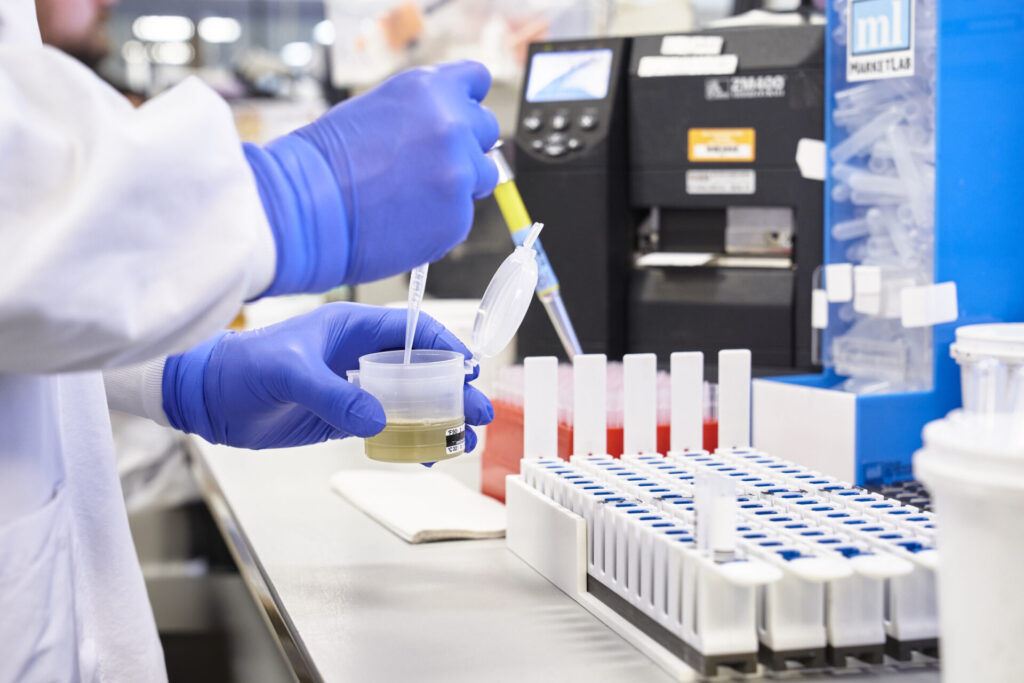
Because kava is not typically identified through routine medication histories or conventional drug testing, definitive testing may provide valuable insight into patient substance exposure.
Aegis Kava Testing
Definitive laboratory testing for kava is available through:
- Urine: Order Code 04202
- Oral Fluid: Order Code 04602
The Aegis Clinical Team is available for questions regarding interpretation, testing strategy, or complex substance use presentations.
